

The horses are moving towards the barriers. Conversations become quieter. Spectators turn towards the track with the Melbourne Cup horses about to jump. For a few seconds, the entire crowd is focused on what is about to happen.
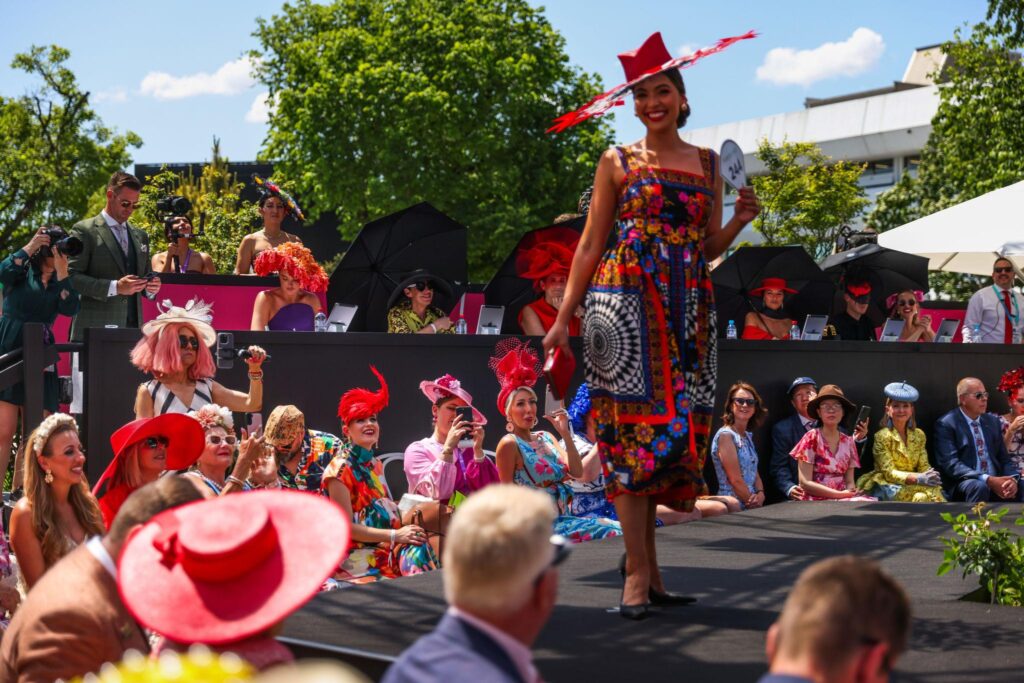
Yet before the race begins, another spectacle has already taken place.
Across the lawns and grandstands, Australian racegoers have turned up in their finest clothes, creating a moving display of colour, tailoring, millinery and individual style.
Race day has always been about horses.
But it has also become a celebration of fashion.
Why We Dress Differently for the Races
Most sporting events encourage casual clothing. Racing is different.
There is an expectation that attending the races is an occasion worth dressing for. That tradition has survived even as everyday fashion has become considerably more relaxed.
Part of the appeal is the anticipation.
Choosing an outfit several days before an event can become part of the experience itself. People consider the weather, venue, colours, accessories and, increasingly, how their outfit reflects their personality.
Getting dressed becomes a ritual.
And rituals make occasions feel important.
The Racecourse as a Fashion Stage
A racecourse is one of the few sporting environments where the audience can become part of the visual spectacle.
The track provides the action, but the surrounding lawns and grandstands provide another kind of theatre.
A sea of colourful dresses moves through the crowd. Tailored jackets stand out against green lawns. Statement hats create dramatic silhouettes.
Unlike a runway, however, there is no single designer or collection controlling the appearance.
Every individual contributes something different.
The result is spontaneous and unpredictable.
From Formal Rules to Personal Expression
Australian racing fashion was once closely associated with formal dress codes and traditional expectations.
Modern racegoers have a much broader interpretation of what constitutes appropriate racing style.
Some embrace traditional millinery and elegant dresses. Others prefer sharp tailoring, contemporary silhouettes or minimalist outfits.
The change reflects a broader shift in fashion itself.
People increasingly want clothing to communicate who they are rather than simply demonstrate that they understand a set of rules.
Race day has become another opportunity for personal expression.
The Return of Statement Dressing
One interesting consequence of increasingly casual everyday fashion is the renewed appeal of dressing up.
When jeans and sneakers dominate daily wardrobes, an elegant dress or tailored suit can feel surprisingly exciting.
Race day provides permission to be theatrical.
A dramatic hat may feel excessive at a café. A beautifully tailored suit might be unnecessary for a casual lunch.
At the racecourse, however, these choices make sense.
The occasion allows people to embrace fashion in a way that everyday life sometimes doesn’t.
Why Accessories Matter
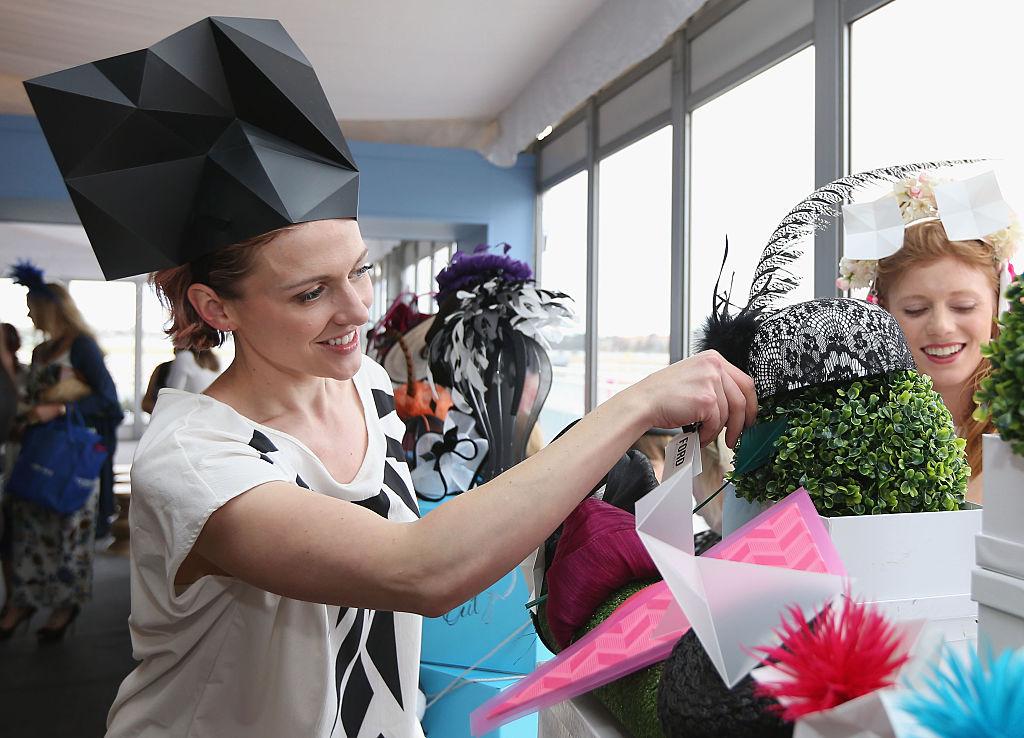
The smallest details can completely change a race-day outfit.
A hat can transform a silhouette. Sunglasses can introduce attitude. A handbag can add colour. Shoes can shift an outfit from classic to contemporary.
Accessories also provide a relatively simple way to experiment.
Someone who prefers understated clothing can introduce personality through a striking piece of jewellery or millinery without changing their entire wardrobe.
In this sense, accessories aren’t merely finishing touches.
They are storytelling devices.
Men Are Finding Their Own Racing Identity
The evolution of race-day fashion isn’t limited to women’s style.
Men’s racing fashion has moved beyond the idea that a navy suit and conservative tie are the only acceptable choices.
Modern racegoers are experimenting with lighter tailoring, textured fabrics, subtle patterns and distinctive accessories.
A suit can still be traditional while incorporating contemporary details.
The result is a men’s racing wardrobe that feels more individual and less restricted by convention.
The Influence of Social Media
The smartphone has changed the way race-day fashion is experienced.
People no longer dress only for the people standing beside them.
They may also be photographed for social media, fashion publications or event coverage.
This has increased the visual importance of racing fashion.
An outfit needs to work not only in person but also in photographs.
At the same time, social media has made inspiration much easier to find. A racegoer can see styles from Melbourne, Sydney or overseas racing events and reinterpret those ideas for their own wardrobe.
Australian racing fashion is therefore becoming increasingly connected to global fashion culture.
Comfort Has Become Part of Luxury
There was once an assumption that looking elegant meant tolerating uncomfortable clothing.
That idea is changing.
Today’s racegoers increasingly want outfits that look sophisticated while remaining practical enough for an entire afternoon outdoors.
Breathable fabrics, comfortable footwear and adaptable layers are becoming just as important as colour and silhouette.
This is particularly relevant in Australia, where a race meeting can involve strong sunshine, warm temperatures and plenty of walking.
Modern elegance doesn’t have to come at the expense of comfort.
The Importance of the Setting
The same outfit can feel completely different depending on where it is worn.
A dramatic hat and formal dress may feel perfectly natural at a major carnival meeting. The same combination could appear out of place at a relaxed country meeting.
Understanding the character of the event is therefore part of good styling.
The best race-day outfits respond to their environment.
They acknowledge tradition without becoming predictable.
Racing Fashion Has a Memory
One reason race-day fashion remains fascinating is that clothing becomes connected to memories.
People remember the dress they wore when they attended their first major meeting. They remember a particular hat, a friend’s suit or the outfit they wore when celebrating a big win.
Fashion becomes attached to the experience.
Years later, a photograph can bring the entire day back.
In that sense, dressing for the races isn’t simply about looking good for a few hours.
It’s about creating part of the memory.
The Next Chapter
Australian racing fashion will continue to evolve.
Some traditions will remain because they are too closely connected to the identity of the sport to disappear. Others will change as new generations bring different ideas about style, sustainability and individuality.
The most exciting future is one where both can exist together.
Classic millinery alongside contemporary tailoring.
Vintage pieces alongside modern design.
Traditional racing culture alongside a new generation of fashion-conscious racegoers.
The track remains the same.
The style surrounding it keeps moving.
More Than a Dress Code
Race-day fashion survives because it offers something increasingly rare: an excuse to make an effort.
For one afternoon, ordinary rules can be put aside.
You can wear the dramatic hat. You can choose the bold colour. You can dress more elegantly than you normally would.
And when the horses charge towards the finish line and the crowd rises around you, the fashion becomes part of something bigger.
It becomes part of the atmosphere, the memory and the culture of Australian racing.
The race may last only a few minutes. The style can define the entire day.