

For decades, race day came with an unwritten formula.
Dress well. Wear a good hat. Know where to be seen.
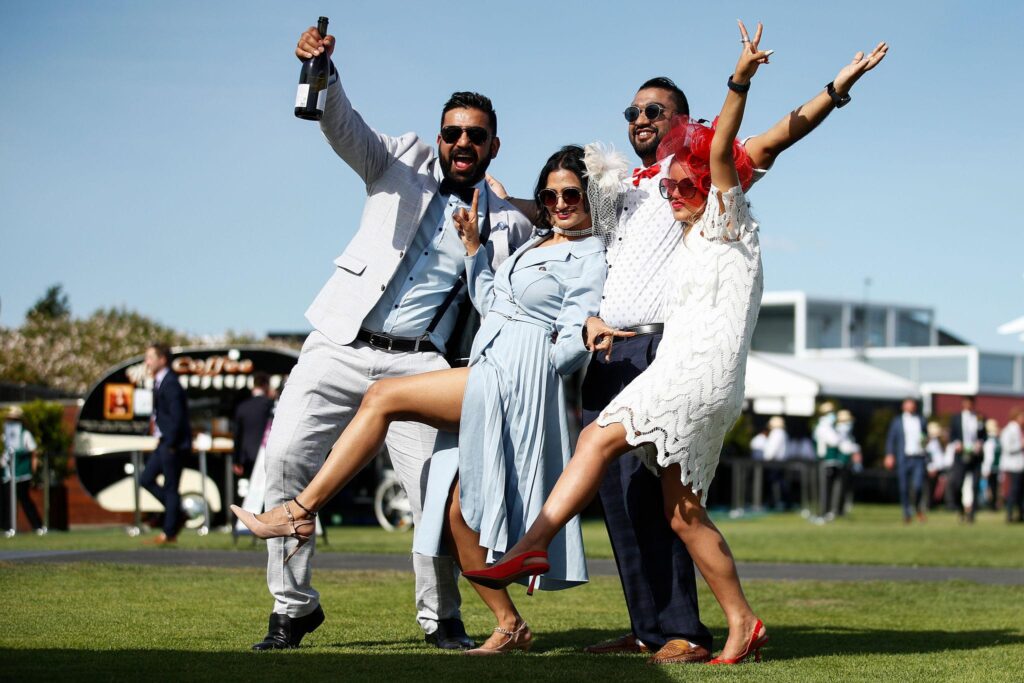
The right outfit could make an entrance, the right marquee could create a sense of exclusivity and the right invitation could say more about someone’s social position than a business card ever could.
But something has changed.
Today, race-day status is becoming less about simply looking expensive and more about having an experience worth talking about.
From Outfit to Experience
Race-day fashion remains important. It is one of the defining characteristics of Australia’s major racing carnivals, with Fashions on the Field becoming an established part of the Melbourne Cup Carnival in 1962.
But fashion is no longer operating on its own.
A modern race day might involve a carefully chosen outfit, a restaurant booking, a private hospitality space, a designer collaboration, live entertainment and a camera roll full of photographs.
The outfit gets you noticed.
The experience gives you something to remember.
That is a significant shift.
The New Luxury Is Access
Luxury has always been connected with racing.
Private marquees, premium dining areas and exclusive events have traditionally provided a different experience from standing in the general crowd.
But modern luxury is increasingly about access rather than simply ownership.
Who are you meeting?
Where are you sitting?
What event are you attending after the race?
Which designer created your outfit?
Which restaurant is hosting the after-party?
The answers create a kind of social currency.
A photograph from an exclusive race-day event can sometimes communicate more than a logo ever could.
Why the Racecourse Works So Well
Few sporting environments combine so many different forms of social activity.
There is competition on the track, fashion in the stands, business in the hospitality areas and entertainment around the course.
That combination makes the racecourse unusually effective as a social environment.
You can arrive for the horses and leave having discovered a new designer, met a potential business contact or found a restaurant you want to return to.
The racing becomes the centre around which everything else happens.
Fashion Still Opens the Door
None of this means fashion has become irrelevant.
Quite the opposite.
Race day remains one of the rare occasions when people are encouraged to experiment with their appearance.
The history of Melbourne Cup fashion shows just how dramatically racewear can reflect changing social attitudes. From elaborate Victorian silhouettes to the mini-dress revolution of the 1960s and today’s more individual approach, race fashion has repeatedly changed with the culture around it.
The difference is that today’s fashion conversation is much broader.
It is no longer simply:
“What are you wearing?”
It is also:
“Where are you going?”
“Who are you going with?”
“What are you doing afterwards?”
Instagram Changed the Equation
Race day was once experienced primarily at the track.
Now it can be experienced through hundreds of photographs before the first race even begins.
An elaborate hat becomes a photograph.
A beautifully designed marquee becomes a backdrop.
A restaurant’s race-day lunch becomes content.
A celebrity appearance becomes a social-media moment.
The modern race day therefore has two audiences: the people physically there and everyone watching online.
That has changed the value of being seen.
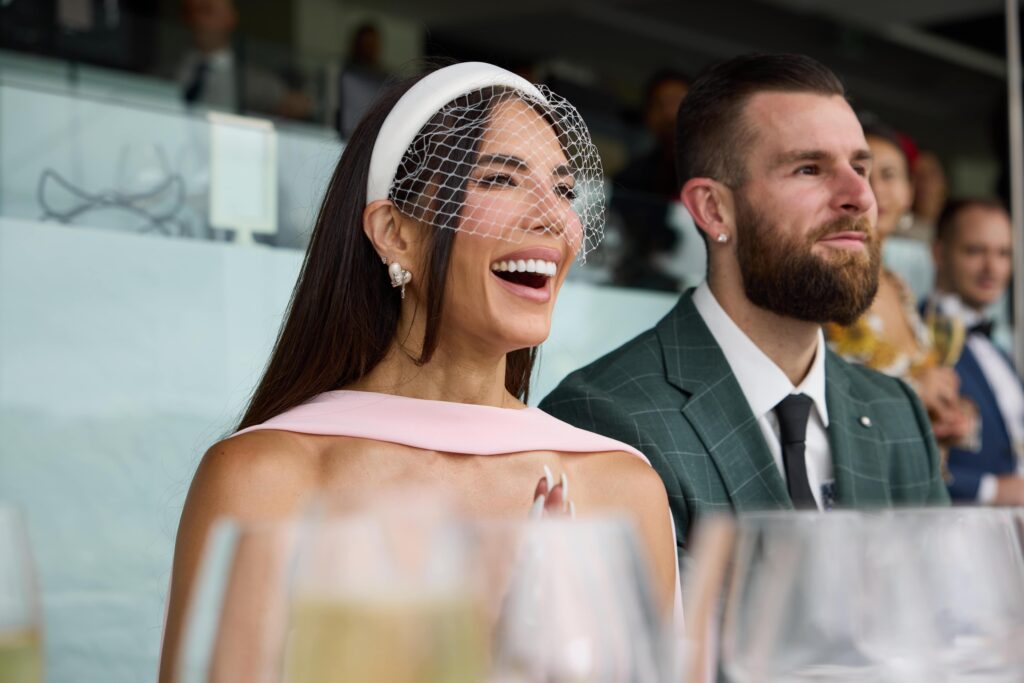
The Rise of the “Race-Day Personality”
Perhaps the most interesting development is the emergence of the race-day personality.
You no longer need to be a celebrity to attract attention.
A distinctive outfit, unusual styling or memorable photograph can turn an ordinary racegoer into part of the day’s visual story.
This has made race-day fashion more democratic.
The audience is no longer waiting for a magazine to decide who looked best.
People decide for themselves.
They photograph.
They share.
They comment.
They create their own version of the event.
Businesses Have Noticed
The transformation has obvious commercial implications.
Fashion brands, restaurants, hospitality operators, beauty businesses, jewellery designers and milliners all have reasons to pay attention to the racing calendar.
The VRC has noted that fashion and grooming around Cup Week represent substantial consumer spending, demonstrating that the racing carnival functions as an economic ecosystem as much as a sporting event.
That ecosystem works because people are not simply buying products.
They are buying participation.
A dress becomes part of the memory.
A restaurant becomes part of the story.
A hotel becomes part of the weekend.
A photograph becomes part of the identity.
What Comes Next?
The next generation of race-day culture is unlikely to abandon tradition completely.
People will still wear hats.
They will still dress up.
They will still gather around the track to watch horses race.
But the meaning of the occasion is changing.
The modern race day is increasingly about creating an experience that feels personal, social and shareable.
And that may explain why racing continues to have such a strong relationship with fashion.
Fashion has always been about more than clothes.
It is about identity.
Race day simply gives Australians one of the few remaining occasions where that identity can be displayed on a grand scale.
The new status symbol, then, isn’t necessarily the most expensive dress or the most exclusive table.
It is having a race day worth remembering.